Introduction
Addis Ababa, meaning "New Flower" in Amharic, is the capital and largest city of Ethiopia. Founded in the late 19th century by Emperor Menelik II, it has grown into the political, economic, and cultural hub of the country. Home to the African Union headquarters, Addis Ababa serves as a center for diplomacy, business, and international engagement in Africa.
History
The city was strategically located in the central highlands and quickly developed with roads, palaces, and churches. Throughout the 20th century, it expanded into a bustling metropolis, absorbing rural communities and shaping modern Ethiopian society.
Economy
Addis Ababa’s economy thrives on commerce, banking, construction, and services. The Merkato market, one of Africa’s largest, attracts thousands of traders and visitors daily. Technology companies and industrial zones contribute to the city’s rapid modernization.
Culture and Lifestyle
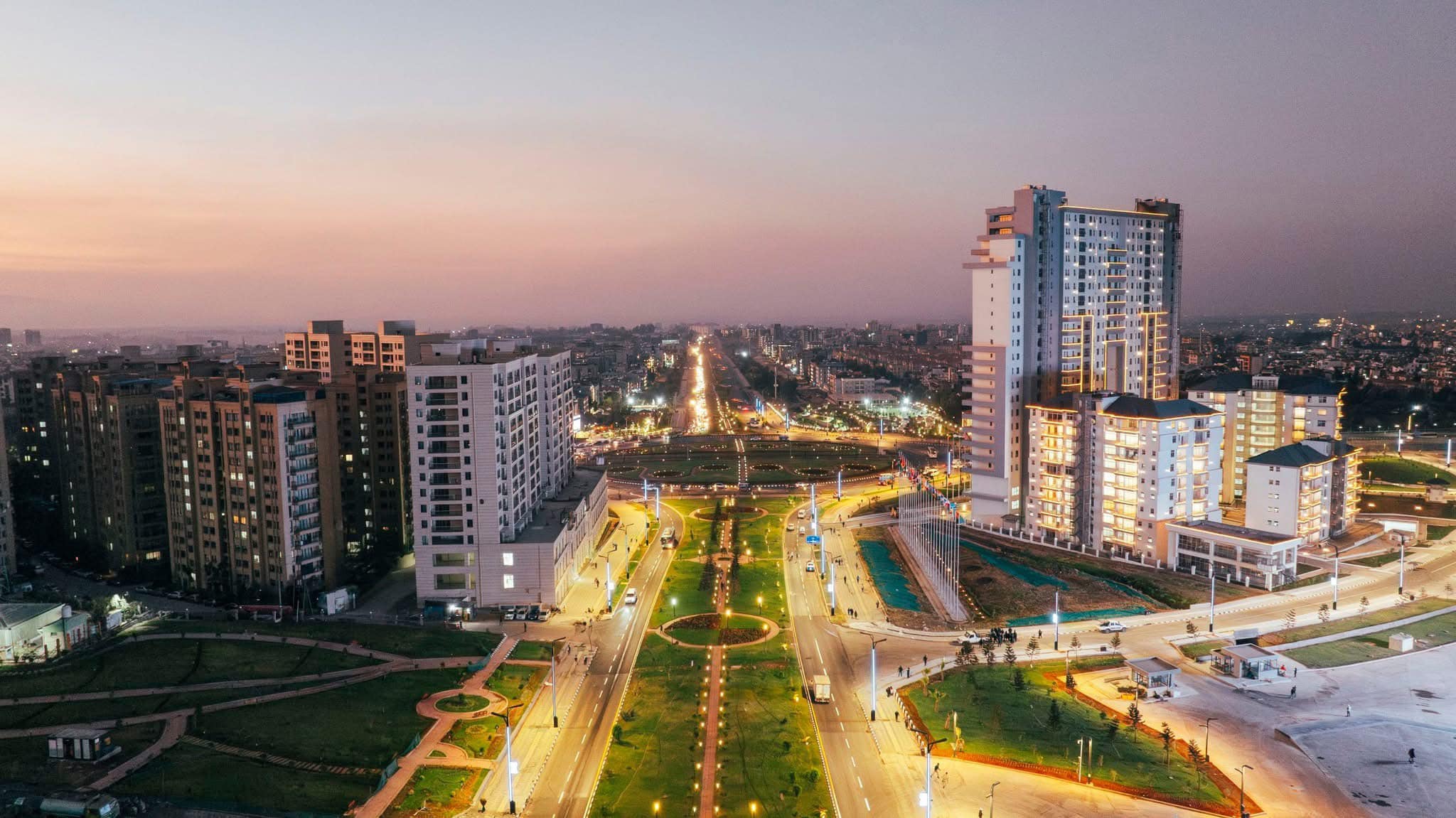
The city blends traditional Ethiopian culture with modern urban life. Music, art galleries, cafes, and theaters thrive alongside historic churches and monuments. Festivals like Timkat and Meskel attract large crowds and showcase Ethiopia’s vibrant traditions.
Education and Innovation
Addis Ababa is a hub of education, hosting universities, research institutions, and technology centers. Students and professionals drive innovation in agriculture, medicine, engineering, and ICT.
Challenges and Future
Despite growth, Addis Ababa faces traffic, housing, and environmental challenges. Urban planning, public transport expansion, and sustainable projects are underway to improve quality of life. The city aims to balance modernization with its historical and cultural heritage.
⬅ Back